Etymology
Solidago is Latin for Solidus, meaning “to make whole,” referring to the use of goldenrods as a traditional herbal medicine. Bicolor means “two-colored.”
Native Habitat
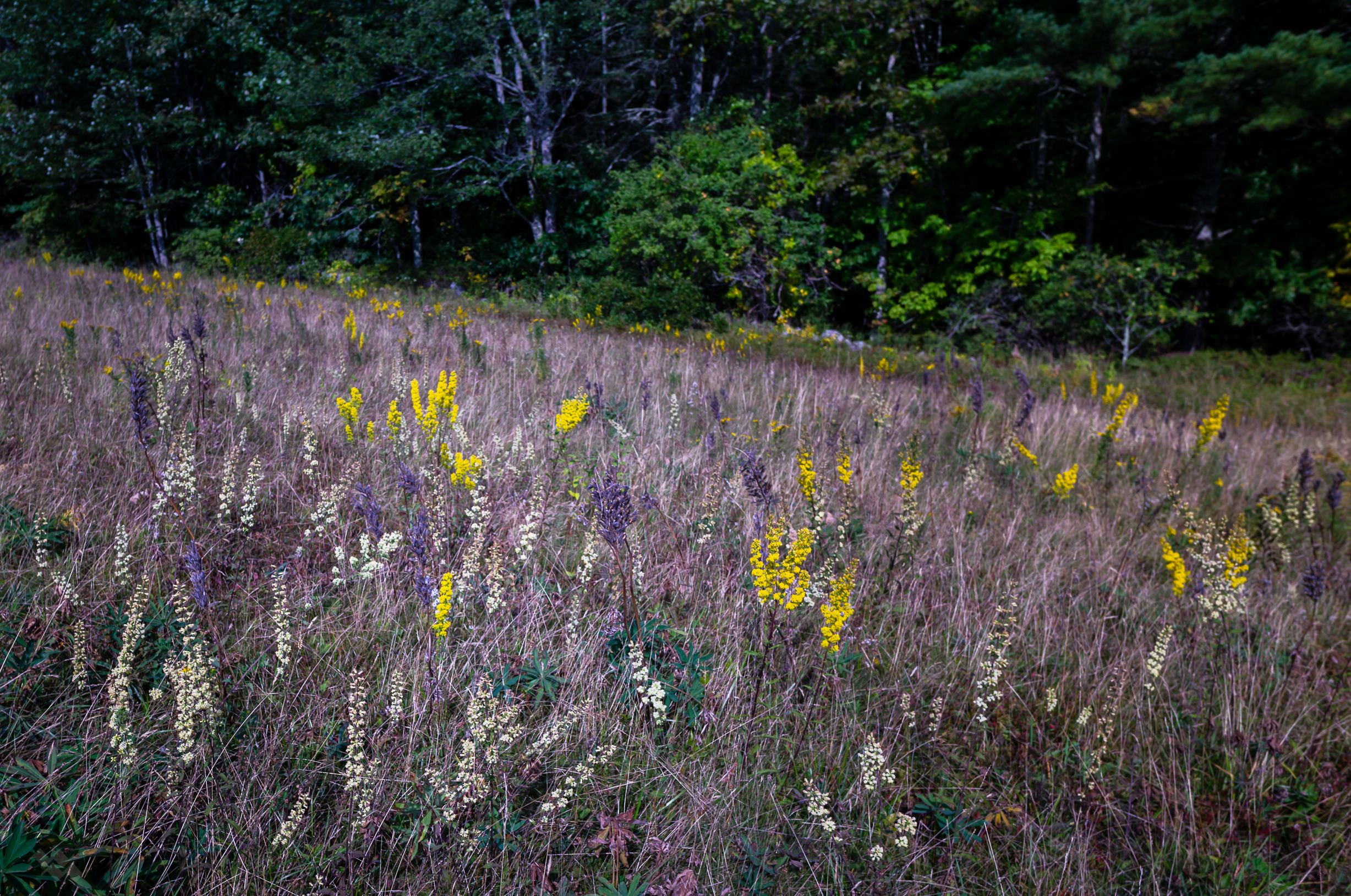
Thin woods and clearings, disturbed habitats, meadows and fields, blueberry barrens, woodlands.
Garden Uses
Solidago bicolor brings an understated charm to gardens and naturalized spaces. Relatively short (1'-3') and low-key, it's well-suited for dry places like rock gardens, median strips, woodland edges, upper zones of slopes, and meadows. Thrives in sun and poor soil.
Overview
A very drought-tolerant, salt-tolerant goldenrod with a strong upright habit that entices countless native pollinators in the late summer. Growing to 3 feet tall, the strong vertical structure of this plant contrasts beautifully with most other late-season bloomers. This is the only Solidago with white rays in the East. White goldenrod grows well in dry, often poor, soil in full sun to partial shade. Characteristics include drought tolerance, deer resistance, low maintenance, medium growth rate, and clumping habit.
Spread
12"
Leaves and Stems
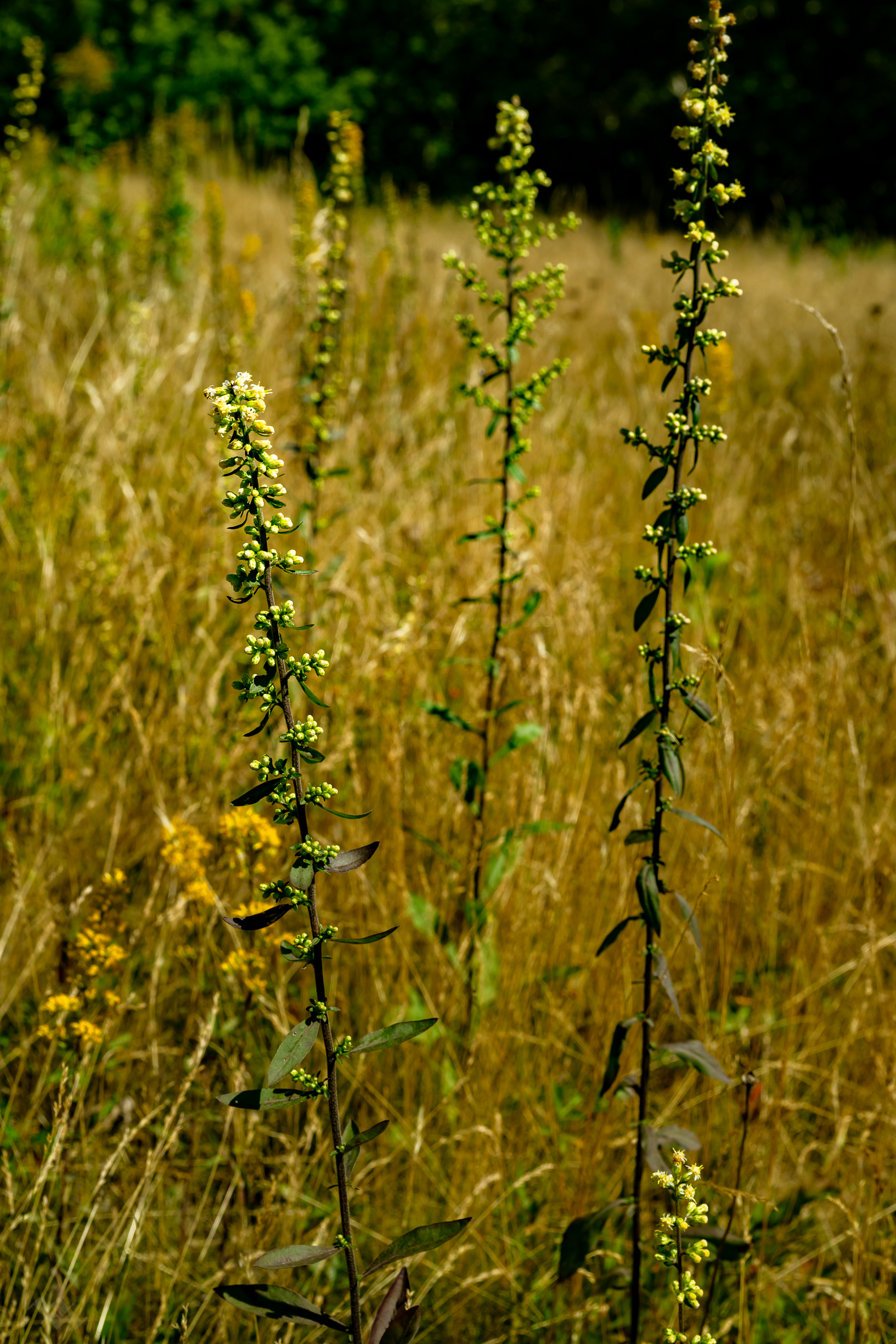
Elliptical upper leaves; lower leaves are 2 to 4 inches long, stalked, shallowly toothed and have a grayish down. Leaves are simple and alternate. The stems are hairy, grayish in color, and mostly unbranching.
Flowers
An elongated spike of small, composite flowers arranged in clusters. Flowers have white to yellowish-white rays surrounding a yellow central disc. The slightly yellowish look is largely due to the color of the stamens and the pollen.
Fruit/Seed
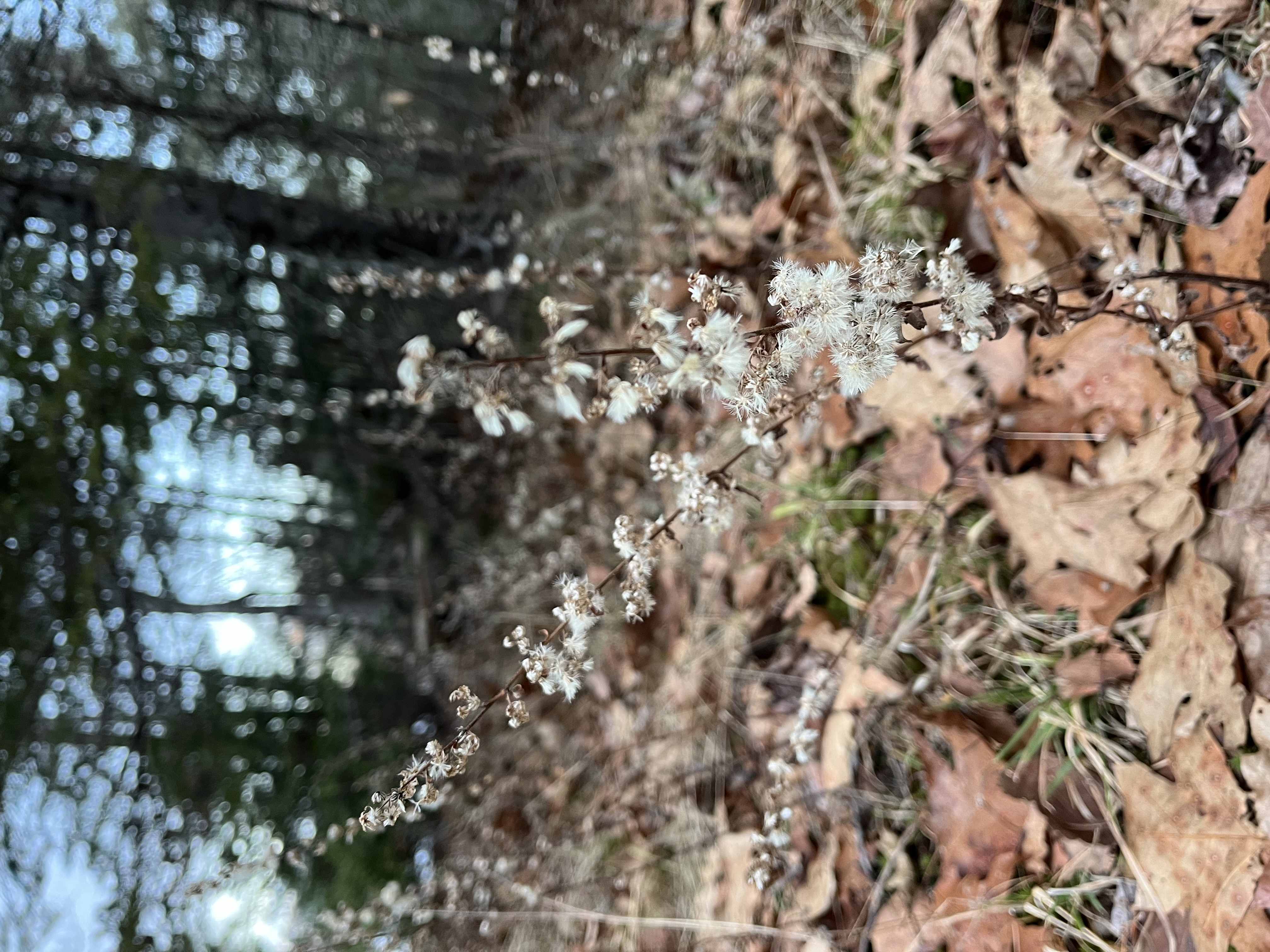
Seeds are attached to a white, feathery pappus, like the common dandelion, which aids in wind dispersion.
Wildlife Associates
Nectar attracts butterflies, native bees, honey bees and other pollinators. Songbirds eat the seeds. It provides special value to native bees and honey bees, and supports Wavy-lined Emerald (Synchlora aerata) larvae.
Propagation
Can be propagated from seed or through division.
Garden Location
Barn Garden, Patio Garden, Teaching Garden (see garden map)

Sources
Lady Bird Johnson Wildflower Center
Plant Profile by Rachel Emus